

Technology driven learning systems in India future
Indian education is in a cross road. Classrooms are changing. The patterns in learning are changing. Technology currently influences the shared and construed knowledge. Technology driven learning systems in India future will be very significant in this revolution.
Children grow up in the digital world of screens. They want the experience of learning to be interesting and relevant. Educators seek smarter means of expounding ideas. Parents desire improved results and understandable improvements. Technology driven learning systems in India future can address all these demands with reasonable and flexible solutions.
This paper will discuss the operation, importance and implications of such systems on learners in this nation. It remains basic, human, and practical.
The reason why technology-driven learning is needed in the present time.
India has one of the highest number of students around the globe. This scale cannot be satisfied using traditional systems. Class sizes remain large. Learning needs vary widely.
Technology driven learning systems in India future help bridge these gaps. The teachers are facilitated by digital tools. Students study in their own pace. Courses are covered by more individuals.
It has been observed that technology enhances access and consistency as per the experience over the last few years. Variety of learning keeps the students participating in learning.
Policy Support and Vision of governments.
Digital learning has a good policy direction. The National Education Policy promotes the application of technology so as to enhance quality and accessibility. Under the Digital India, programs increase the use of the internet and digital skills.
Such systems as DIKSHA provide free faculty and student resources. The online training assists teachers in adapting to new ways.
Technology driven learning systems in India future get strength through this clear vision. Policy support creates the confidence and provides security of planning.
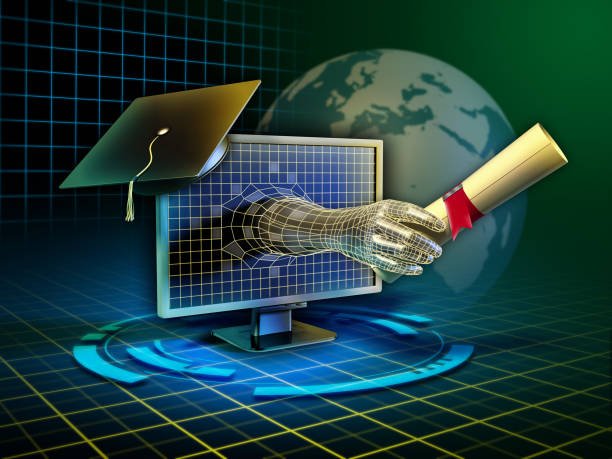
E-Learning Classrooms and Intelligent Learning Classrooms.
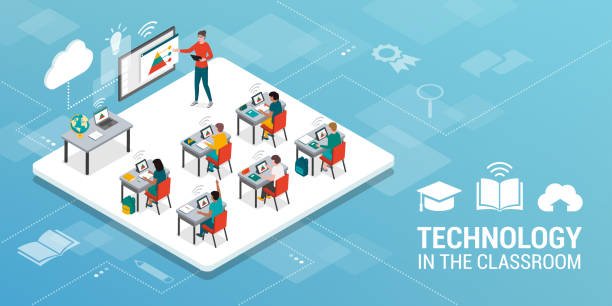
Intelligent classrooms are gaining popularity. The will to use screens, projectors, and digital boards as substitutes to non-dynamic tools. Teachers operate on the visual, videotapes and real-life examples.
Students comprehend things quicker. Lessons feel interactive. Attention improves.
Technology driven learning systems in India future depend on such spaces to accomplish active learning. It is teaching in a way that favors multiplicity of learning models, and helps to make the classes exciting.
Use of Artificial Intelligence in Learning.
The personalizing of education by AI is made. Learning platforms monitor the progress and propose items. The students receive assistance in the areas that they need it most.
Instruction is guided by insights that are used by the teachers. There are weak areas, which are obvious.
Technology driven learning systems in India future will be cautious and prudent in the use of AI. Specialization makes sure that the tools do not supplant human instructions.
Online Media and Flipped Classrooms.
The learning is possible outside the classrooms with online platforms. Recorded lessons, quizzes, and discussion forums support the revising.
The dimension of blended learning combines offline and online approaches. Face-to-face education is integrated with digital materials in schools.
Technology driven learning systems in India future depend on this balance. Being flexible allows students to deal with time and stress.
Training Teachers Technologically.
Education still focuses on teachers. They are not replaced by technology, which supports them. Development initiatives develop cyber confidence.
Teachers are taught how to structure lessons, evaluate work and monitor progress in the form of tools. Peer support enhances competencies.
Technology driven learning systems in India future work when instructors feel appreciated. It has been proven that empowered teachers are more effective.
Student-Centered Learning Activities.
Contemporary systems put emphasis on students. Decision and agency enhance stimulus. Thinking is promoted by running interactive tasks and projects.
Students are discovered delving into issues. They acquire knowledge by practice and deliberation.
Technology driven learning systems in India future place learners at the center. This method creates interests and autonomy.
Digital system evaluation and feedback.
The way of assessment is evolving. Internet tests have fast outcomes. There is clarity and timeliness of the feedback.
The students monitor their advancement. Lessons are modified using data by teachers.
Technology driven learning systems in India future improve evaluation quality. Just and equal evaluation creates trust.
Proficiency and Vocational preparation.
The new learning is linked with work. E-learning involves the teaching of coding, communication and problem solving. Short courses are favorable to upskilling.
Students train in the real world careers at a young age. Learning is an ongoing change in adults.
Technology driven learning systems in India future support economic growth. Skills remain at the par with market demands.
Accessing Rural and Underserved Communities.
Technology eliminates distance. Digital content is accessed in remote locations. Mobile learning facilitates the liberty to access.
Better understanding is enhanced by local language resources. Devices are shared among the community centers.
Technology driven learning systems in India future promote inclusion. Education is made more accessible and equal.
Information Privacy and Fair Use.
The rise in the digital world also brings with it responsibility. Student information must be assured. Clear rules ensure privacy.
Attributable design creates confidence in the users. Openness is still significant.
Technology driven learning systems in India future needs to be innovative and careful. Trust strengthens adoption.
Technology Adoption Problems.
Challenges remain. Internet access varies. Devices need maintenance. Training requires time.
Innovation/ Collaboration.
Teamwork leads to development. There is a combination of government, educators, and players, who are privately owned. Sharing goals is the key to innovation.
Startups bring fresh ideas. Institutions give organizational structure.
Technology driven learning systems in India future benefit from this teamwork. Teamwork is a guarantee of quality and coverage.
The Road Ahead of the Indian Education.
The future of learning is seen to be linked and adaptable. Simulations, immersive, and virtual labs will increase.
The concentration will remain within a sphere of knowledge and skills. The education will help in personal and national development.
Conclusion
Technology has emerged as an educational strong ally. It enhances access, quality and lifelong learning. The education system in India is changing in a diligent manner.
Technology driven learning systems in India future concepts experience, knowledge and prudent planning. They promote teachers, empower learners, and develop trust.
With the maturity of these systems, the learning will be more involving and fruitful. This trip will bring in a brighter future of education in India.
FAQs
What are learning systems, which are driven by technology?
They rely on digital devices, tools, and information to enhance the teaching, learning, and educational accessibility.
What benefits will these systems have to Indian students?
They provide the flexibility of the learning process, individualized attention, and enhanced skills.
Are rural areas safe in technology driven systems?
Yes. They are able to access remote communities and enhance equality in learning with the right access and support.