
Career focused training models in modern India
The labor force is being increasingly high, young and ambitious in India. Meanwhile, the labor market is increasingly being labor intensive. This distance between degrees and actual job demands has put a significant shock in learning. Career focused training models in modern India now are at the center of this change.
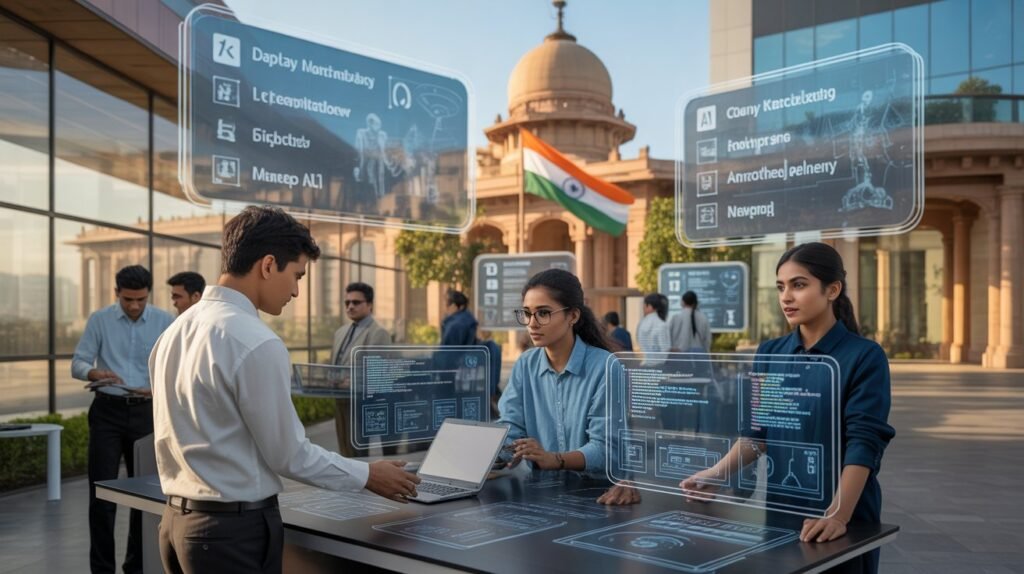
These models concentrate on abilities, practical experience and work readiness. They outdo the theory and link education to professions. In education institutions as in training facilities, education has come to match its objectives with industry demands.
The paper describes the mechanics of these models, their importance, and the role they play in determining the future of work. The tactic remains simple, easy, and up-to-date.
The reason as to why career-focused training is important today.
The conventional education was focused on examinations and certificates. A lot of graduates were unable to get appropriate employment. Skills, rather than marks, were desired by employers.
Career focused training models in modern India address this gap. They educate on what is required in the industries. Students are taught by doing, projects and actual tools. Competency increases confidence.
Practice indicates that learning no longer based on skills increases employability. Once students know what to expect in the workplace, they perform well. This change establishes a confidence between training institutions and employers.
Skills Development Programs by Government.
The role of the public policy in the construction of the models of training is significant. Skill India programs are designed to impart skills to millions of people in industries. The courses include construction, healthcare, retail, IT and others.
Organizations are governed by national norms. The certifications will be useful in other regions. This brings about mobility and recognition.
Career focused training models in modern India attain power by these structures. The government support guarantees size, excellence, and responsibility. This is a systematic strategy to enable long-term planning of workforce.
Partnerships in Industry and Real World Experience.
The presence of industry is a major strength of the contemporary training models. Firms are involved in developing courses. They have internships and apprenticeship programs. Real work experience is exchanged between trainers.
Students get to know existing tools and processes. They learn work culture at a tender age. This saves training period once hired.
These partnerships make the difference in the success of the relationships between them. Industry experience makes courses up to date. Employers have you and give you abilities that can be counted on.
Vocational Education in Colleges and Universities.
Social life subjects are introduced into the regular schooling. Electives in schools are skills based. Degrees are combined with training modules in colleges.
Students venture into career at a young age. They do not have pressure when testing interests. This lowers the dropout and enhances engagement.
( introduce dynamism in education. Special academic and skill training require each other. This balance is appropriate with different learners.
The place of Private Training Institutes and EdTech.
EdTech platforms and other institutions are faster and more innovative. The short term classes cover digital, finance, design, and language training.
Access is enhanced by online and hybrid model. Students learn at a pace of their own. Working professionals are attracted by affordable prices.
Career focused training models in modern India benefit from this diversity. Rivalry enhances quality. Students decide what is appropriate to them.
Apprenticeships and On the Job Training.
Experience is always effective. The training is coupled with actual work in apprenticeships. Learners gain income during learning.
Employers mentor trainees. Skills are developed in the day-to-day activities. This develops training and trustworthiness.
Partridge (employ apprenticeships to minimize skill gaps. Job readiness enhances with undergoing training. Talented employees are also beneficial to employers.
Priorities of Soft Skills and Work Readiness.
It cannot be done just through technical skills. Communication, team work, and problem-solving are important. These skills are contained in modern training models.
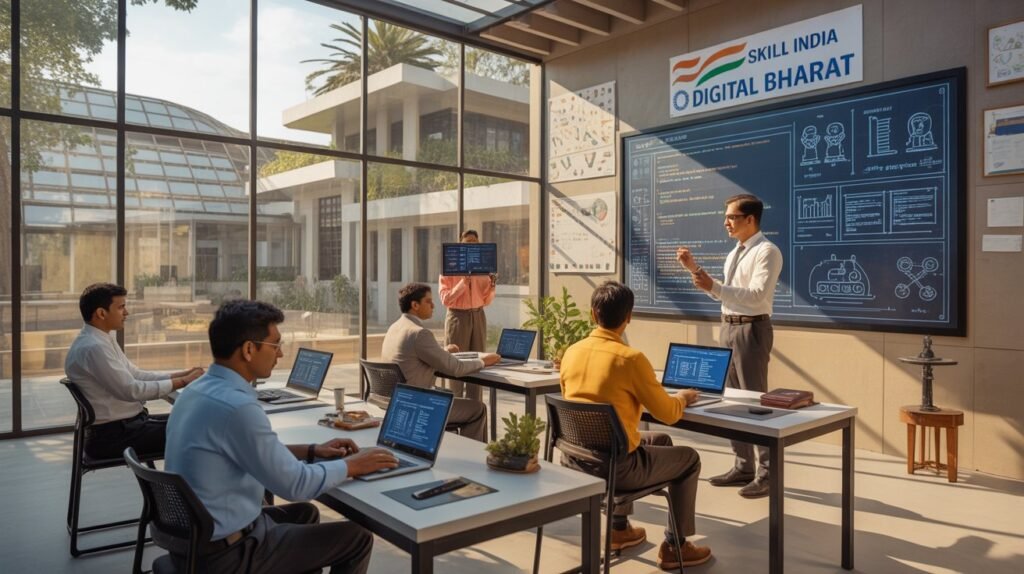
Group projects, mock interviews and presentations help learners in preparing workplaces. Confidence improves. Adaptability increases.
Career focused training models in modern India know the human aspect of work. This holistic construct develops professionals, and not workers.
Training in the Emerging Sectors.
The economy of India is dynamic. Other new sources of demand include renewable energy, data services and digital marketing.
Content is updated on a regular basis. Short courses are dynamic to market changes. Learners stay relevant.
Career focused training models in modern India adapt to these shifts. Curriculum changes are guided by expert contribution and market research. It is become responsive and trustworthy.
Access and Inclusion of all Learners.
Training should be to all. There are special programmers that assist the women, rural young people and the disadvantaged holds. Barriers are diminished by the use of scholarships and local centers.
Training units supplied on mobiles and online platforms access remote locations. Understanding is enhanced by language friendly content.
Career focused training models in modern India promote inclusion. Availability of equal opportunities reinforces the working force and contributes to social development.
Measures of Results and Quality Assurance.
Results matter. The measure of success is through placement rates, employer feedback and learner progress. Data guides improvement.
Standards are attended to by accreditation bodies. Quality is preserved by constant checks.
Career focused training models in modern India acquire credibility in disclosure. Unambiguous results instill trust in both the learners and the employers.
Difficulties and Areas of Improvements.
Nevertheless, even though the progress is made, there are still challenges. There is still skill shortage in certain sectors. The knowledge of training opportunities is unequal.
There is difference in quality among providers. Monitoring should be made continuous. Career advice should be extended.
Career focused training models in modern India must keep evolving. Partnership, response, and creativity will lead to the enhancement.
Future of career oriented learning in India.
The future looks promising. Learning throughout life becomes the norm. Workers upskill regularly. Education, employment become closer.
Training is in line with the local and global requirements. It makes the workforce in India more competitive, robust.
Career focused training models in modern India will shape this future. Their success is affected by trust, expertise and devotion.
Conclusion
India is in a very decisive phase of education. This is because success is rooted in skills and not just in degrees.
They relate studying with employment. They admire personal ambitions. They respond to market needs. These models put millions of people empowered with high policy friendly policies and confidence of the industry.
With education getting more realistic and comprehensive careers turn out to be attainable. This is the actual prospect of modern training in India.
FAQs
What are Career focused training models in modern India?
They are training and skill courses aimed at equipping learners with particular jobs by teaching trainees on practical job training based on industry relevancy.
What are the best beneficiaries of these training models?
It is benefited through the provision of related skills and improved employment prospects to students, job seekers, and working professionals.
Do employers accredit these training models?
Yes. A number of programs are direct industry gelators and have accolades that have been appreciated by employers.